Choose sunglasses by checking UV protection first, then coverage, comfort, and the lens features your routine needs. Look for 100% UVA and UVB protection or a UV400 label from a trustworthy seller; darkness and polarization alone do not establish UV protection. Frame shape is the enjoyable final decision, not the safety test.
This guide may contain affiliate links. As an Amazon Associate we earn from qualifying purchases. How our links work.
Make the UV label your first filter
The American Academy of Ophthalmology recommends sunglasses labeled for 100% UV protection, including UVA and UVB, and recognizes protection up to 400 nanometers. Read the actual product information rather than inferring protection from a dark tint, a mirror finish, or an expensive-looking frame. A vague description such as sun lenses is not the same information.
Buying secondhand or considering a pair with missing specifications? An optical shop may be able to test the UV protection. That is more useful than guessing from the age or color. Keep the seller's information for a new pair so you can distinguish documented features from marketing language later.
Our gear section treats an accessory's function and its appearance as related but separate questions. For sunglasses, establish the protection requirement before comparing trends. You can find understated, sporty, or expressive shapes without making the safety label optional.
Choose coverage for the places you actually go
Larger lenses and frames that sit reasonably close can reduce the open space around your eyes. The AAO highlights oversized and wraparound designs for added coverage, particularly at the sides. Try looking sideways in a mirror: a tiny lens may look deliberate but leave much of the surrounding area exposed.
Coverage also depends on your face and the way the frame sits. A large frame sliding down your nose may cover less usefully than a smaller frame that stays in position. Put on the hat you normally wear outside and check that the brim does not push the arms downward.
For a long walk near water, coverage may matter more than an especially narrow silhouette. For short city errands, you may prefer a moderate frame that works with a bag strap and headphones. Neither choice changes the need for UV protection, and a hat is a useful addition rather than a replacement.
Separate polarization from UV protection
Polarized lenses reduce reflected glare, which can be helpful near water or on roads. Polarization is a different property from UV filtering, so check both claims separately. A polarized sticker without a clear UV specification does not complete the job.
Try polarized lenses with the screens you use. At some angles, particular displays may look dim, rainbow-like, or harder to read. Check your phone and, while safely parked, any relevant vehicle display before deciding. Never troubleshoot eyewear while driving or use dark sunglasses as a night-driving aid.
Lens color is another separate choice. Gray, brown, green, rose, and mirrored finishes can change your visual experience or complement your wardrobe, but a pleasing tint is not proof of protection. Look through the lenses outside if the retailer permits it and compare how readable ordinary signs and details feel.
Use a moving fit check, not a quick selfie
Put the glasses on without pushing them into place repeatedly. The bridge should feel stable, and the arms should not clamp painfully at your temples or behind your ears. Look down, turn your head, and give a small nod. A frame that immediately slips is likely to become annoying during a walk.
Smile and speak while wearing them. If the lower rims lift off your nose whenever your cheeks move, try a different bridge or lens depth. If your eyelashes brush the lens, look for more clearance. These are fit issues, not evidence that your face needs a particular trend.
Check whether one arm sits higher or the frame looks twisted. Some frames can be professionally adjusted, while others offer little adjustment. Ask an optician before bending anything yourself. Heat from a hair dryer or hot water can damage frames, lenses, and coatings.
Read frame measurements as a starting point
Many frames list lens width, bridge width, and temple length in millimeters, often inside one arm. If you own a comfortable pair, write those measurements down before browsing. They give you a useful comparison without requiring you to categorize your face as one exact shape.
The numbers do not describe everything. Two frames with similar lens widths can have different overall widths, curves, bridge contact points, or hinge positions. Use measurements to narrow options, then repeat the movement test. Online virtual try-ons can suggest proportions but cannot tell you where pressure develops.
If your nose bridge is low or glasses often rest on your cheeks, explore different bridge constructions or adjustable nose pads. If the arms press at the sides, consider a wider frame rather than simply loosening the screws. A secure fit should not depend on tolerating pressure.
Treat face-shape rules as optional styling tools
Angular frames can create contrast with softer contours, while rounded frames can soften a sharply structured outfit. Those are visual possibilities, not requirements. The familiar rules about oval, square, and heart-shaped faces leave out hairstyle, eyebrows, personal taste, and how much of the frame you want to notice.
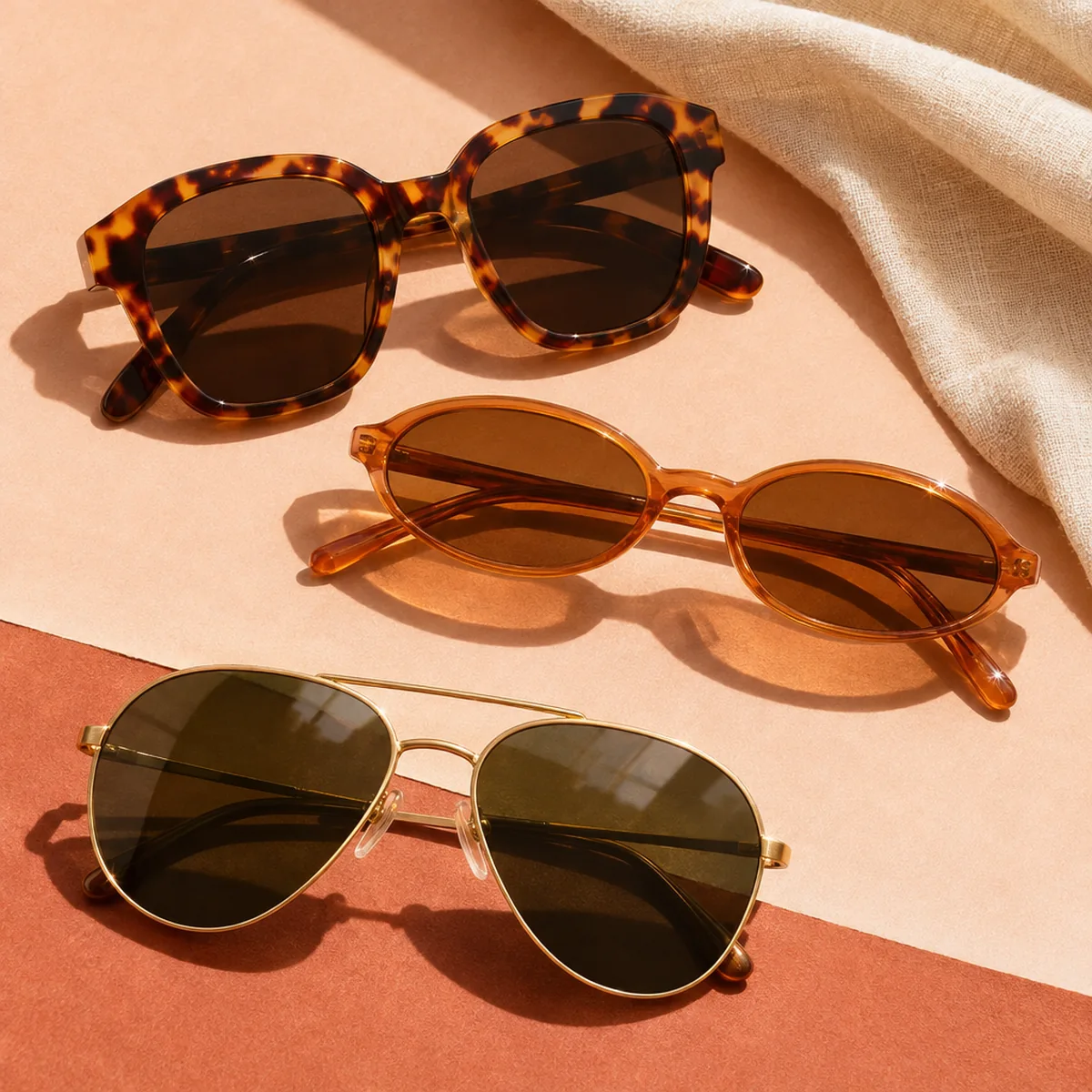
Try three different directions: a gently rounded rectangle, a softer oval, and a more angular shape. Keep the UV protection and fit criteria constant so the comparison is genuinely about appearance. Take photos at a similar distance, then look at the whole outfit rather than zooming in on your nose.
Frame thickness can be as influential as lens shape. A slim dark frame gives a quieter outline; a thick acetate-style frame becomes a focal point. Transparent frames may feel lighter visually while still occupying the same physical space. None of these effects makes one option universally more flattering.
Match the frame to your wardrobe without buying a new one
List the outerwear, shoes, and bags you wear most often. Black, brown, translucent neutrals, and muted colors can repeat an existing detail without matching every accessory exactly. If your wardrobe is already colorful, a simple frame can provide continuity; a brighter frame can also be a deliberate repeat accent.
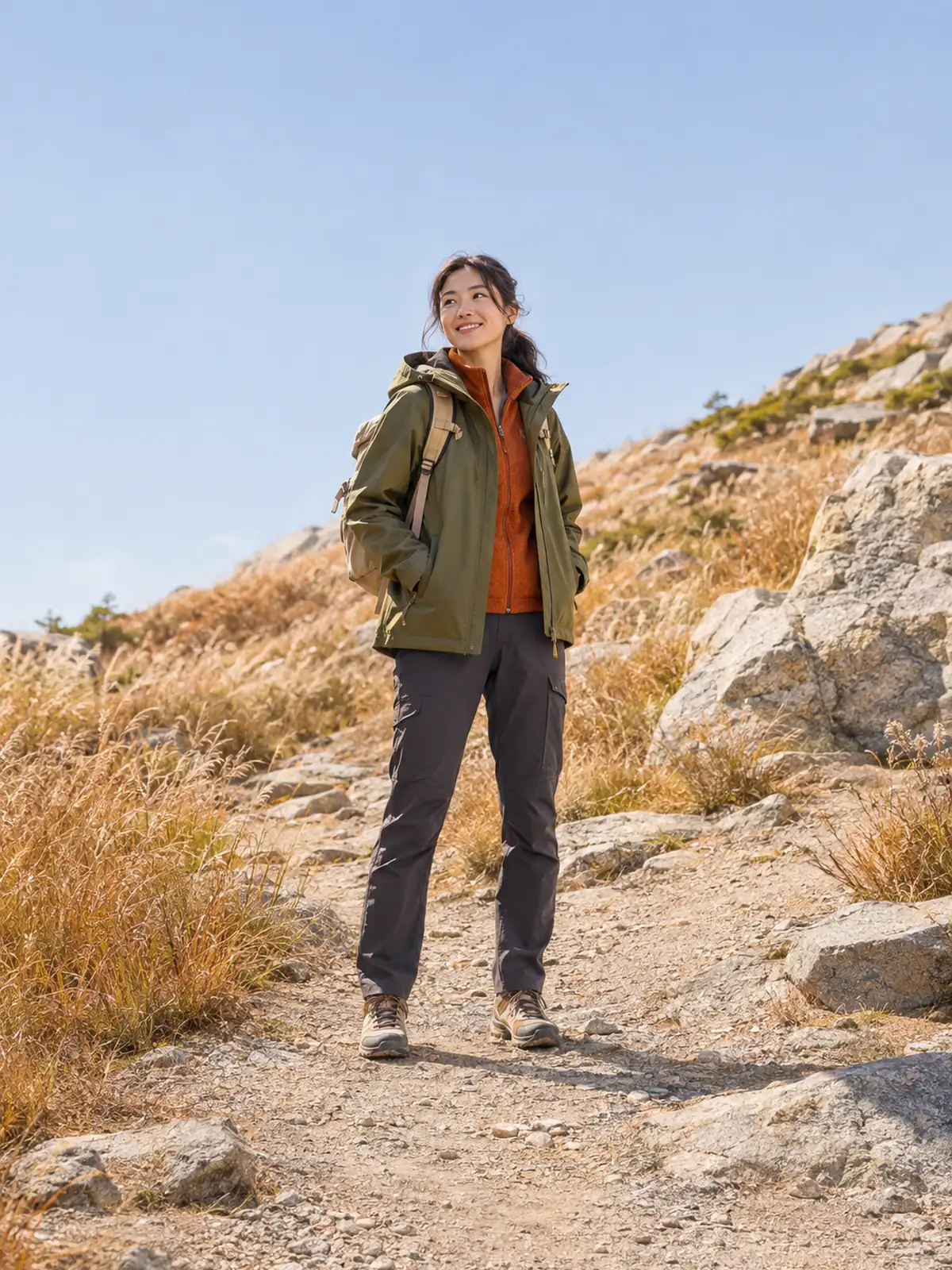
For a pared-back minimalist capsule wardrobe, one comfortable pair that works across several outfits is more useful than several almost-identical pairs. For gorpcore outfits, a wraparound or lightweight sport-influenced shape can fit naturally, provided it meets the same protection and comfort checks.
Consider where the glasses go when you step indoors. A very bulky frame may not fit your everyday case or pocket. Test whether it folds neatly and whether the case fits your bag. That small practical check can decide how consistently you bring it along.
Know when everyday sunglasses are not enough
Ordinary sunglasses are not eclipse viewers, welding protection, or certified protective sports eyewear. Even a strong-looking frame may not be appropriate for a fast-moving ball or flying debris. Ask an eye-care professional about activity-specific protection and any prescription requirements instead of using fashion styling as a safety guide.
For a prescription pair, discuss lens options, the frame's curvature, and your visual needs with an optician. If a new pair gives persistent blur, distortion, or discomfort, have the fit and lenses checked. Do not assume you must train yourself to tolerate a problem simply because the frame looks good.
Protect the lenses after choosing them
Follow the lens maker's cleaning instructions. Avoid casually rubbing dusty lenses with a shirt, which can drag grit across the surface. Use an appropriate clean cloth and recommended cleaner, and keep the pair in a protective case when it is not being worn.
Do not leave sunglasses on a hot dashboard. Inspect scratches, loose hinges, and slipping nose pads rather than replacing the whole pair automatically. If UV protection is uncertain, get it checked. The most useful purchase checklist stays short: documented UV protection, adequate coverage, clear vision, comfortable movement, and a style you want to wear.
Your questions, answered
Are darker sunglasses safer?
Not automatically. Lens darkness controls visible light, while UV protection needs its own specification. Check for 100% UVA and UVB protection or UV400 rather than judging by tint.
Do polarized sunglasses block UV?
Polarization reduces glare but does not establish UV protection by itself. Choose a pair that clearly states both features if you want both.
Do I need to follow face-shape rules?
No. Use shape suggestions to explore different looks, then prioritize a secure, comfortable fit and the coverage and protection your activities need.
Sources & further reading
Sources support the factual guidance they address; aesthetic suggestions are editorial judgment, not claims of product testing.